5 Things You Can Do on the International Day Against Homophobia and Transphobia

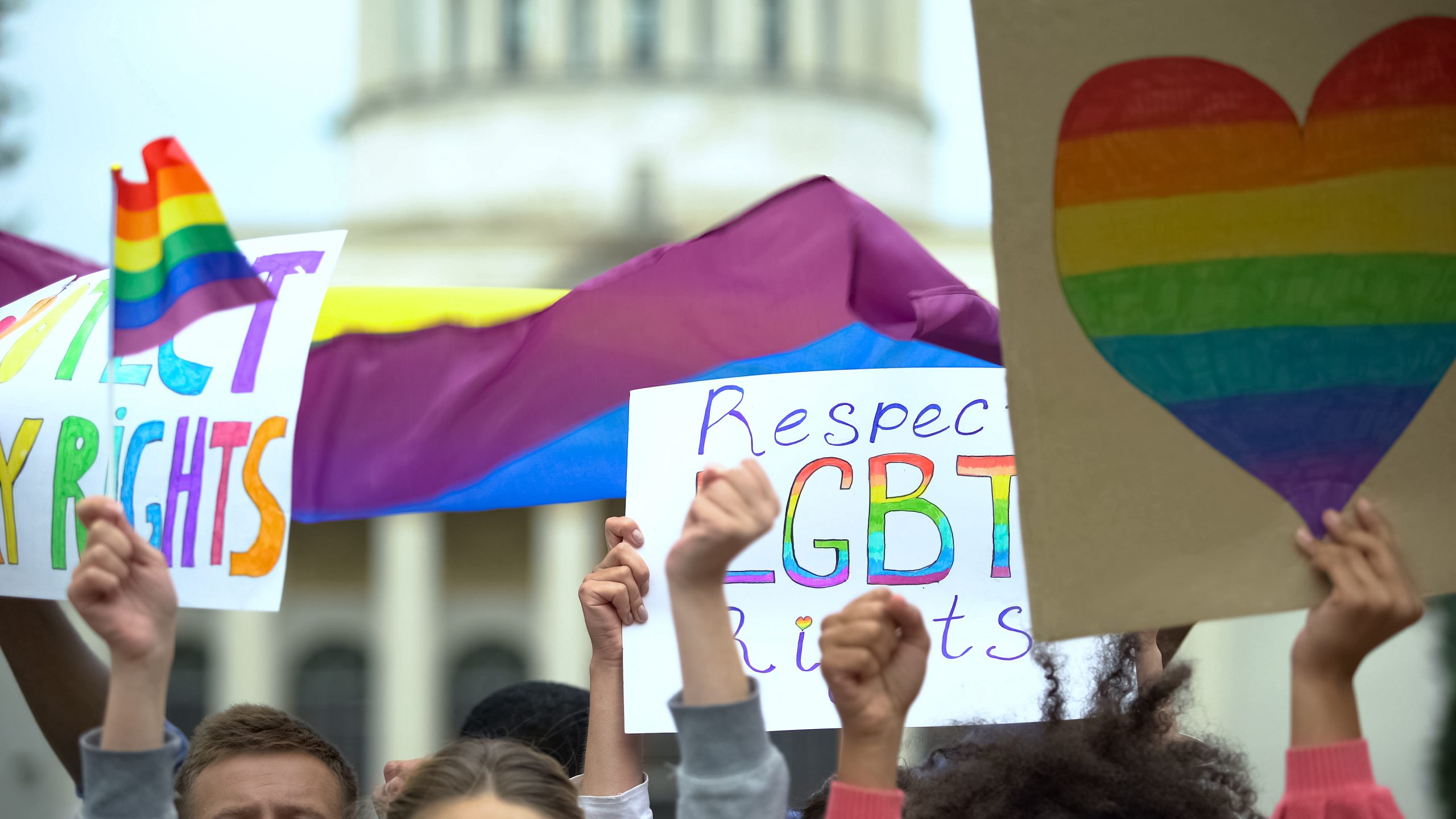
Photo: Thinkstock.com

May 17, 2012 is the International Day Against Homophobia and Transphobia (IDAHOT). The date was selected to commemorate the World Health Organization’s decision in 1990 to remove homosexuality from its list of mental illnesses. Since then, the LGBT community has come a long way; but we still face many health, economic, and legal/social barriers, as well as alarmingly high levels of bias-driven violence.

Here at Fenway, we see first-hand how homophobia and transphobia negatively impact the health and well-being of LGBT people. Here are five ways you can participate in the International Day Against Homophobia and Transphobia to make sure it continues to get better for the LGBT community:

  1. Spread the Word through Social Media Link to this post or the IDAHOT website on Facebook or Twitter. Tweet your support for the LGBT community using hashtag #IDAHOT. Write your own blog about IDAHOT and share it on Tumblr. Snap a photo of yourself holding a pro-LGBT sign for Instagram. Make equality go viral!

  2. Contact Your Elected Officials  Write your elected officials and ask them to support LGBT-inclusive legislation and oppose legislation that is homophobic or transphobic. Let politicians know you support protecting lesbian, gay, bisexual, and transgender Americans from employment discrimination and domestic violence. Tell them your community matters, and your vote matters.

  3. Give Back to the LGBT Community Donate to your favorite LGBT causes. If you can’t donate money, donate time. Philanthropy and volunteering can be both fun and rewarding.

    At Fenway, we can’t wait to celebrate Boston LGBT Pride with supporters who will help us build our float and march with us. We’re also looking forward to the Boston Spirit Summer Cruise—100% of the ticket sales benefit our work for LGBT health and our supporters get to enjoy a great party.

  4. Share Your Story Let others know how homophobia or transphobia has affected you. You can help your friends and family understand how anti-LGBT bias negatively impacts people they know and love.

  5. Listen to Someone Else’s Story Homophobia and transphobia impact us all differently. If you are a cisgender man or woman, educate yourself about the challenges faced by trans members of our community. If you are an LGBT adult, do something that benefits the youth in our community—who face much higher levels of harassment and homelessness than their heterosexual peers. As we work to open other people’s minds, we should see where there’s room to grow ourselves.

And remember, you can take these steps against homophobia and transphobia not just today but every day! 

See Full Post and Comment →

National Women’s Health Week: Advocate for your health!

May 13th–19th is National Women's Health Week

This week, May 13–19, marks the celebration of the 13th annual National Women’s Health Week. Initially, as I reflected upon the significance of this week, I felt uninspired. I realized I was disheartened and somewhat offended by the simplistic health messaging around National Women’s Health Week.

Looking at other Women’s Health Week resources, I found the same general health advice: eat healthy, exercise, seek routine preventive care, avoid unhealthy behaviors, and foster good mental health. Yes, these are all vital to maintaining health, but hasn’t almost everyone heard this advice at least 100 times? And shouldn’t people of all genders aim to practice these healthy behaviors? Of all the extremely important women’s health issues, this is what we focus on during a week dedicated to women’s health?

Many LBT women feel uncomfortable talking about their sexual orientation or gender identity, preventing them from getting the care they deserve.

I was ready to give up on this post when I was inspired by some simple words from my mother. She was a single mom who returned to college when my sisters and I were in elementary school. Despite having three daughters to raise alone, she managed to excel in school and eventually complete a graduate degree.

My mom is a fighter, and she fought for her health and the health of her children. She disagreed with healthcare providers if she was unsatisfied with their diagnosis or treatment plan. We lived in poverty, went through periods of being uninsured, and had limited access to competent healthcare providers. Yet, my mom always advocated for the best possible care. And, believe me, we got it.

I spoke to my mom a few days ago and we discussed some health problems she has been experiencing. She said to me, “Christina, why don’t doctors listen to their patients? I know my body better than anyone.” As we talked about her plans for seeking further care she told me that, “it always helps to be assertive.”

I was reminded why it’s important for all of us to participate in National Women’s Health week. This week is not just about knowing what behaviors lead to good health; it’s about empowering ourselves to be our own best health care advocates—especially as members of a traditionally marginalized (Lesbian, Bisexual, and Transgender) community.

This means:

  1. Taking responsibility for engaging in healthy behaviors;
  2. Being educated about the health issues that affect us;
  3. And not being afraid to fight for the healthcare we all deserve.

In celebration of National Women’s Health week, take a stand for your health! If you haven’t spoken to a medical or behavioral health care provider recently, make an appointment. Are you overdue for an HIV or STD test? Get one in honor of Women’s Health Week!

Be proactive about your health. Too often, we ignore our health and wellness needs until we are sick. Fenway offers these free services to help educate and support you, so you can be an active participant in your own health:

  • Wellness Coaching Free 30-minute, individual sessions with a health educator to learn about resources and goal setting for tobacco cessation, healthy eating, physical activity, and healthy sleep habits. For more information contact Tricia Dougherty at 617.927.6169 or pdougherty@fenwayhealth.org.
  • Take Charge Series A series of free, evening group sessions with a health educator to discuss topics related to tobacco cessation, healthy eating, physical activity, and healthy sleep habits. For more information, contact Tricia Dougherty at 617.927.6169 or pdougherty@fenwayhealth.org.
  • Contraception Counseling Free sessions with a contraception counselor to discuss contraceptive methods and explore options that work for you. To schedule an appointment, call 617.927.6000.

We also have the following research opportunities for women who want to help us better understand Women’s Health:

  • LifeSkills A 12 month research study that focuses on empowering young trans women to reduce sexual risk and improve their lives. You can learn more about this study by emailing lifeskills@fenwayhealth.org.
  • Vaginal Ring Study A study investigating the use of a medicated vaginal ring for HIV prevention.  More information is available by contacting Vince Pancucci at 617-927-6450 or vpancucci@fenwayhealth.org .

Happy National Women’s Health Week and in the words of my mother: know your body and be assertive! 

See Full Post and Comment →

FDA panel approves FTC-TDF for HIV prevention

Last night, the U.S. Food and Drug Administration’s (FDA) Antiviral Drugs Advisory Committee recommended that emtricitabine/tenofovir disoproxil fumarate (FTC-TDF, marketed by Gilead Pharmaceuticals as Truvada) be indicated for use in preventing HIV, in what is known as pre-exposure prophylaxis (PrEP). The advisory committee’s recommendations will now be considered by the FDA, which is expected to issue a final decision on the matter by June 15, 2012.  The FDA usually accepts the advice of its advisory panels.

Kenneth H. Mayer, MD, Medical Research Director and Co-Chair of The Fenway Institute (Photo credit: Marilyn Humphries)

Fenway Health issued a statement commending the FDA panel’s decsion and Dr. Kenneth H. Mayer, Fenway’s Medical Research Director and Co-Chair of The Fenway Institute, was quoted in a Reuters story that was picked up by a number of major news outlets.

“Today is an exiciting day for HIV prevention. Although FTC-TDF for PrEP is not a panacea, this approach can prevent many new infections and could dramatically impact HIV transmission worldwide,” said Dr. Mayer.  “We at Fenway Health are gratified to have been involved with this field of research for several decades and are delighted to have helped to demonstrate the utility of this approach for prevention.”

You can read the full Fenway Health statement here

See Full Post and Comment →